Deploying an OpenTelemetry-Native LGTM Stack on Kubernetes

Deploying an OpenTelemetry-Native LGTM Stack on Kubernetes

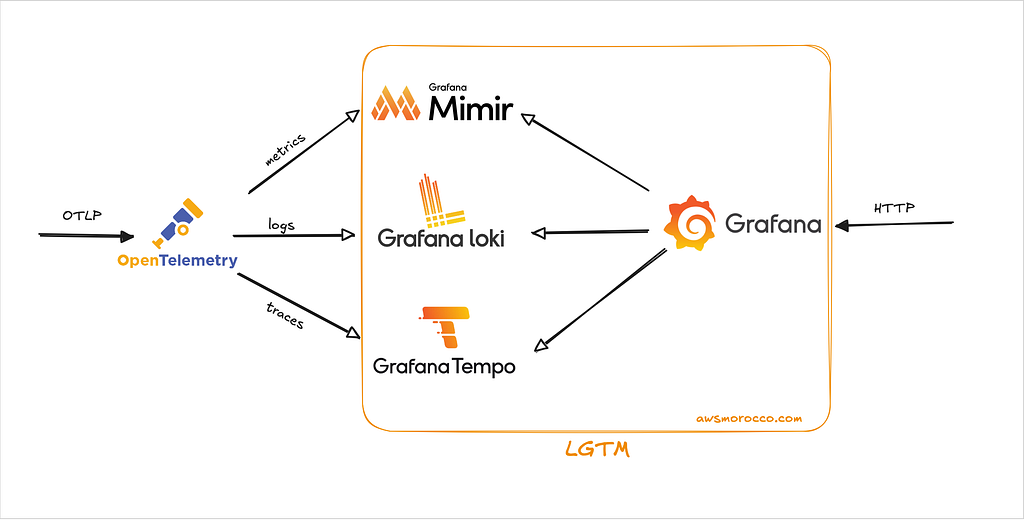
In my previous article on Observability 2.0, I talked about how ClickStack and unified platforms solve the fragmented three-pillar problem by storing everything in ClickHouse. That’s the ideal end state — but what if you’re not ready to rip and replace your entire stack today? This Helm chart is the pragmatic answer. It’s still three separate backends under the hood (Loki, Tempo, Mimir), but thanks to OpenTelemetry’s OTLP protocol, it feels like one unified system. Your apps emit OTLP, hit a single gateway, and that gateway routes everything to the right storage. You get centralized ingestion, Grafana pre-wired for correlation, and zero vendor lock-in. ...

CronJob Scale Down Operator

Kubernetes Resource Lifecycle Management with CronJob-Scale-Down-Operator

A practical guide to Kubernetes operators with the CronJob-Scale-Down-Operator - automate resource scaling and cleanup to optimize cloud costs.

Kubernetes and Helm deployment tools

Helm Charts in Production: Essential Plugins and Features for Reliable Kubernetes Deployments

Kubernetes has revolutionized the way we deploy applications, but managing numerous Kubernetes resources for complex applications can quickly grow to become a heavy burden. That’s where Helm, the package manager for Kubernetes, comes in. However, as your deployments become more complex and approach production environments, vanilla Helm may not be enough. As with any production system, you need robust tooling to ensure that your Helm charts are clean, maintainable and secure. ...

Thanos Deep Dive: Addressing Prometheus Limitations at Scale

Thanos Deep Dive: Addressing Prometheus Limitations at Scale

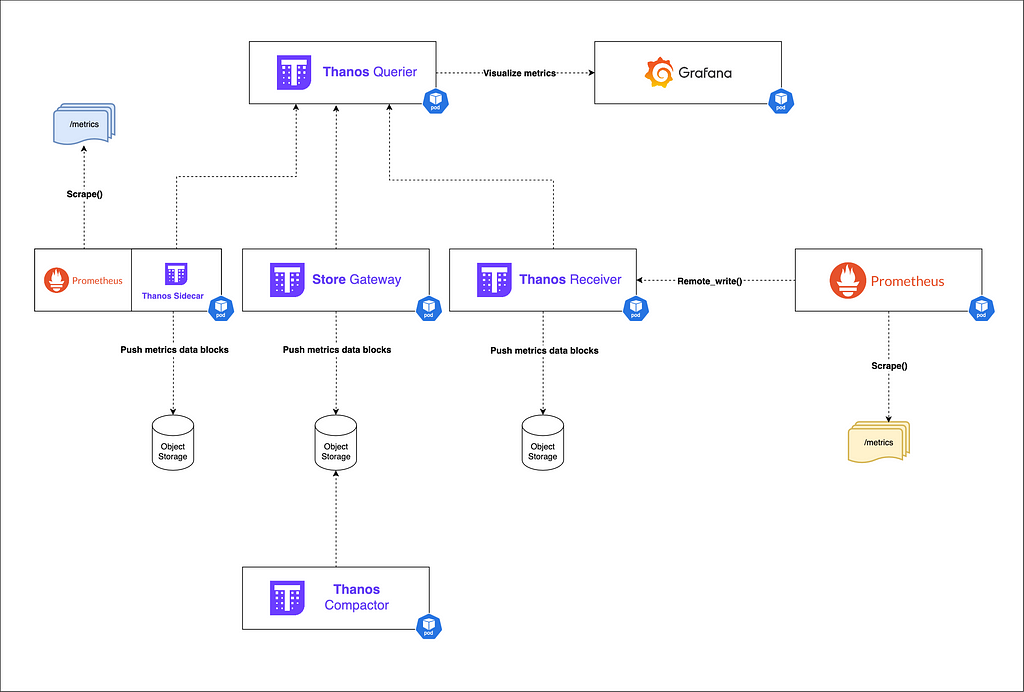
Prometheus has clearly established itself as the benchmark solution for metrics collection and alerting in cloud-native environments. Its pull-based architecture, powerful query language (PromQL) a…

Exposing Ports in Kubernetes: What You Should to Know

Exposing Ports in Kubernetes: What You Should to Know

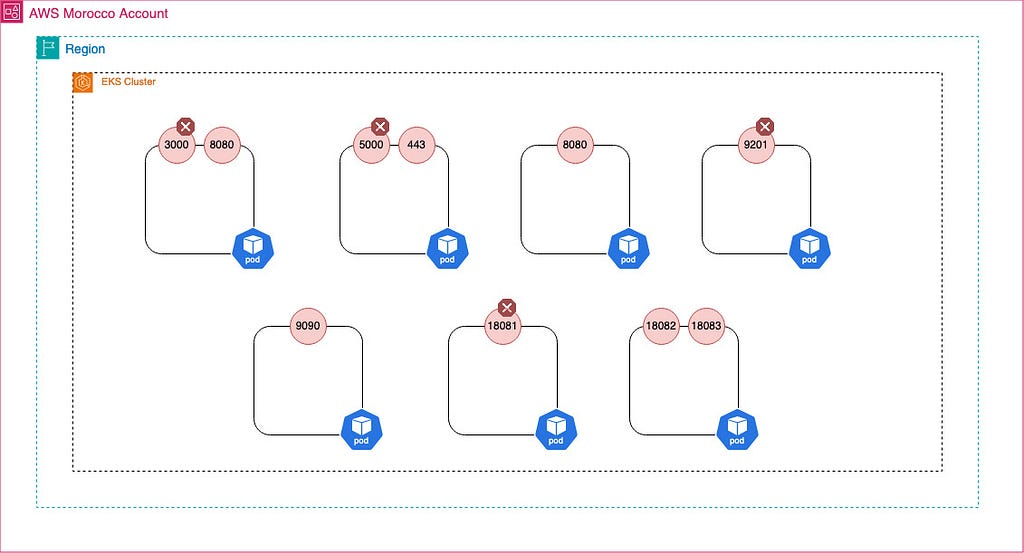
Kubernetes is a popular tool for managing containerized applications. However, there are a few misunderstandings about how it works. One of the most common

AWS EKS Required Add-Ons: A Comprehensive Guide

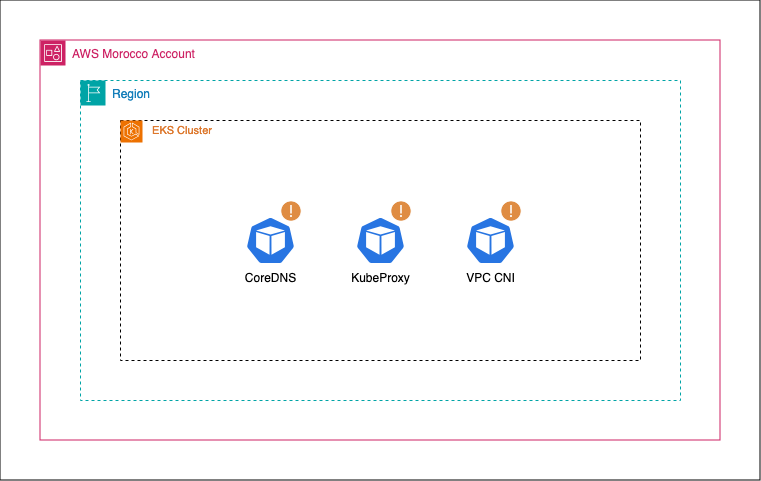
AWS EKS Required Add-Ons: A Comprehensive Guide

Amazon Elastic Kubernetes Service (EKS) is a managed Kubernetes service that simplifies the process of deploying, managing, and scaling containerized applications. To ensure optimal functionality a…

AWS IAM Roles For Kubernetes Service Accounts (IRSA)

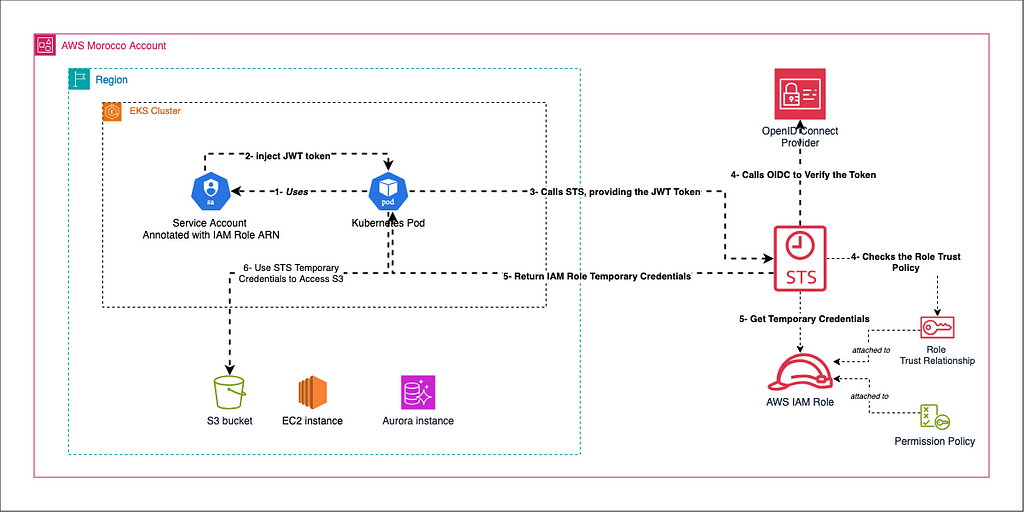
AWS IAM Roles For Kubernetes Service Accounts (IRSA)

In the world of Kubernetes and AWS, managing access to AWS resources from your Kubernetes cluster can be tricky. That’s where AWS IAM Roles for Service

Low-Cost, Unlimited Metrics Storage with Thanos: Monitor All Your K8s Clusters Anywhere and More.

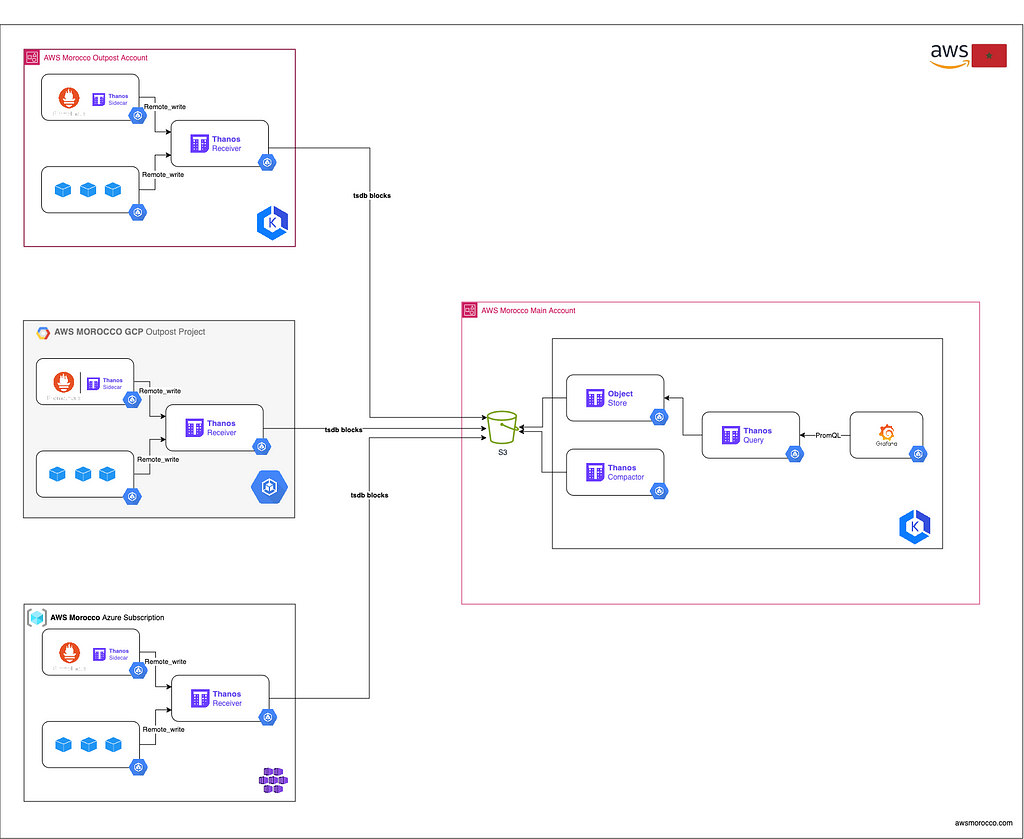
Low-Cost, Unlimited Metrics Storage with Thanos: Monitor All Your K8s Clusters Anywhere and More.

Monitoring large-scale, multi-cloud Kubernetes environments can be a hard task, especially when dealing with high-cardinality metrics and long-term data

Do Pods Really Get Evicted Due to CPU Pressure?

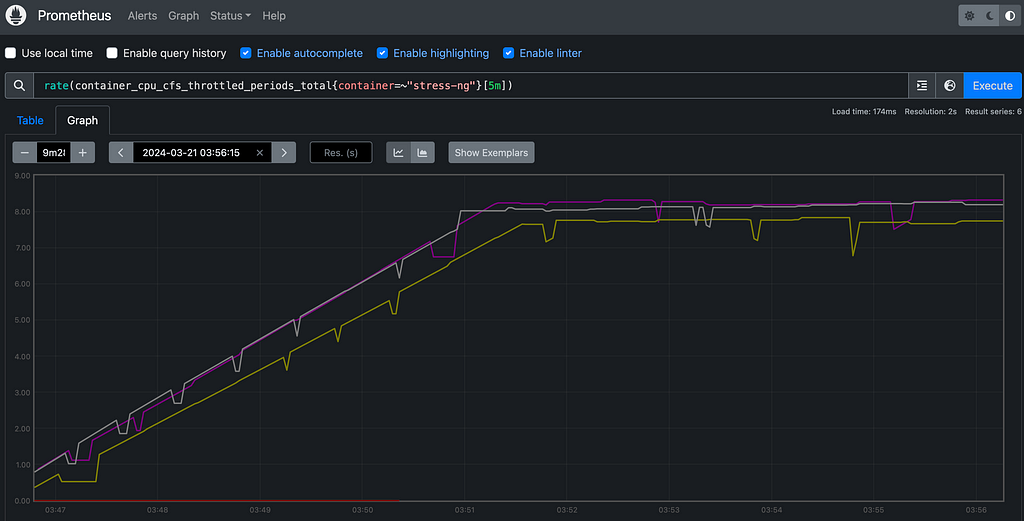
Do Pods Really Get Evicted Due to CPU Pressure?

As Kubernetes administrators and developers, we’ve all heard the notion that pods can get evicted due to high CPU pressure on a node. But is this really

CSI Drivers (EBS, EFS, S3) on EKS And How To Use Them

CSI Drivers (EBS, EFS, S3) on EKS And How To Use Them

Container Storage Interface (CSI) drivers play a crucial role in managing persistent storage for containerized applications. When working with Amazon Elastic Kubernetes Service (EKS), integrating C…