Deploying an OpenTelemetry-Native LGTM Stack on Kubernetes

Deploying an OpenTelemetry-Native LGTM Stack on Kubernetes

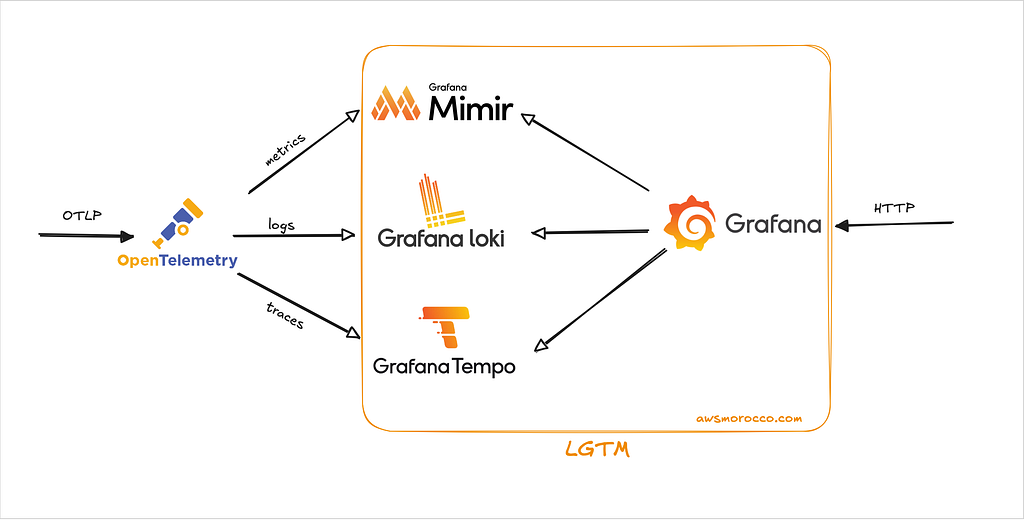
In my previous article on Observability 2.0, I talked about how ClickStack and unified platforms solve the fragmented three-pillar problem by storing everything in ClickHouse. That’s the ideal end state — but what if you’re not ready to rip and replace your entire stack today? This Helm chart is the pragmatic answer. It’s still three separate backends under the hood (Loki, Tempo, Mimir), but thanks to OpenTelemetry’s OTLP protocol, it feels like one unified system. Your apps emit OTLP, hit a single gateway, and that gateway routes everything to the right storage. You get centralized ingestion, Grafana pre-wired for correlation, and zero vendor lock-in. ...

AWS PrivateLink Native Cross‑Region Connectivity

AWS PrivateLink Native Cross‑Region Connectivity

AWS PrivateLink has long been the go-to solution for private connectivity of services within a region. Until recently, sharing services across regions required VPC peering or transit gateways — and…

Terraform Infrastructure as Code: Essential Tools for Clean, Maintainable Production Environments

Terraform Infrastructure as Code: Essential Tools for Clean, Maintainable Production Environments

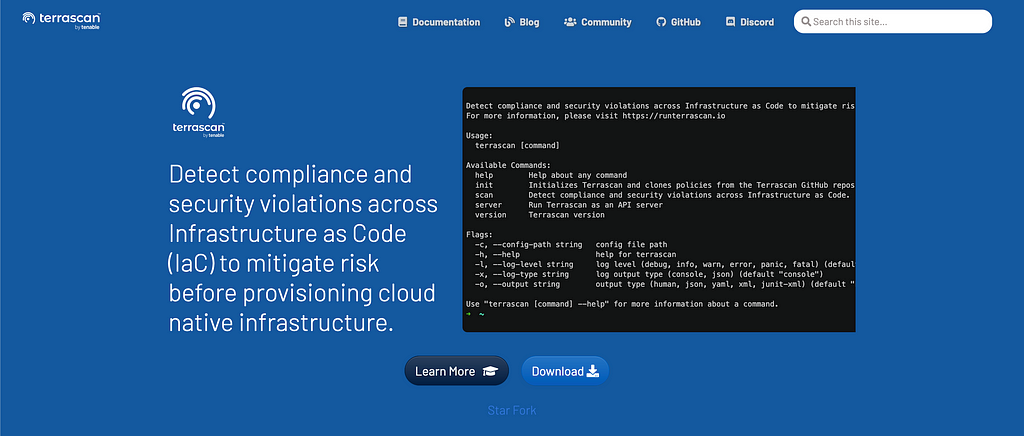
Managing cloud resources has really changed with the Infrastructure as Code (IaC) approach, and Terraform has become one of the best tools for the job.

Thanos Deep Dive: Addressing Prometheus Limitations at Scale

Thanos Deep Dive: Addressing Prometheus Limitations at Scale

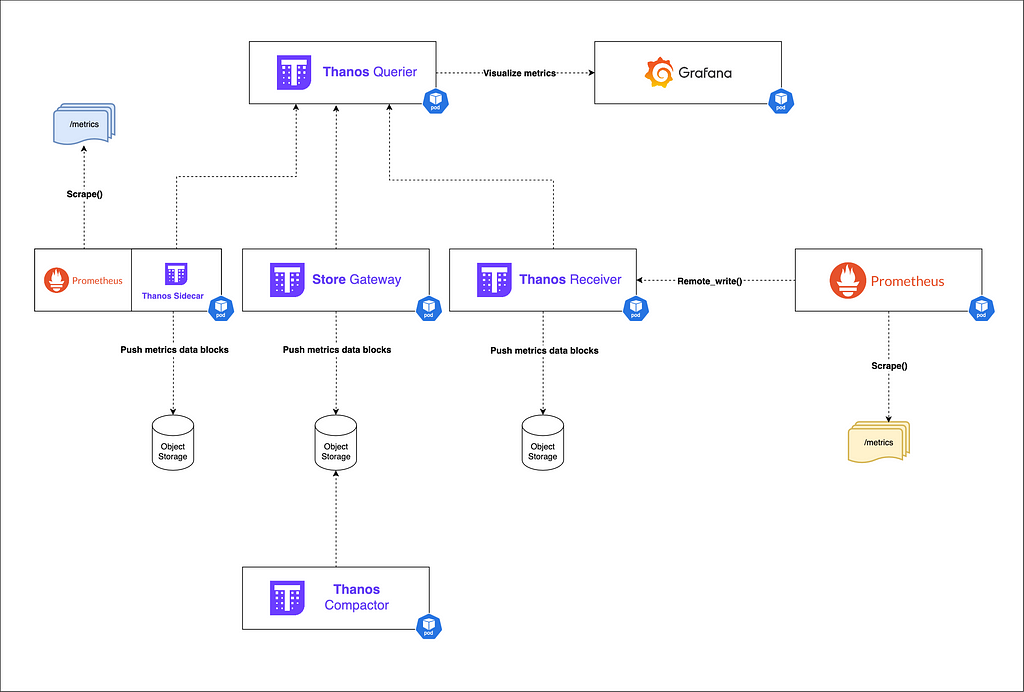
Prometheus has clearly established itself as the benchmark solution for metrics collection and alerting in cloud-native environments. Its pull-based architecture, powerful query language (PromQL) a…

AWS Client VPN: A Practical Guide to Secure Infrastructure Access

AWS Client VPN: A Practical Guide to Secure Infrastructure Access

Providing secure access to cloud infrastructure is one of the biggest challenges facing IT professionals today. AWS Client VPN offers a robust solution to this challenge, providing a managed client VPN service that enables secure access to AWS resources and on-premises networks. In this guide, I’ll explain everything you need to know to get started with AWS Client VPN. What is AWS Client VPN? Think of AWS Client VPN as your secure tunnel into AWS. It’s a managed VPN service that lets your team safely access AWS resources from anywhere in the world. Unlike traditional VPN solutions that require extensive setup and maintenance, AWS Client VPN handles most of the heavy lifting for you. ...

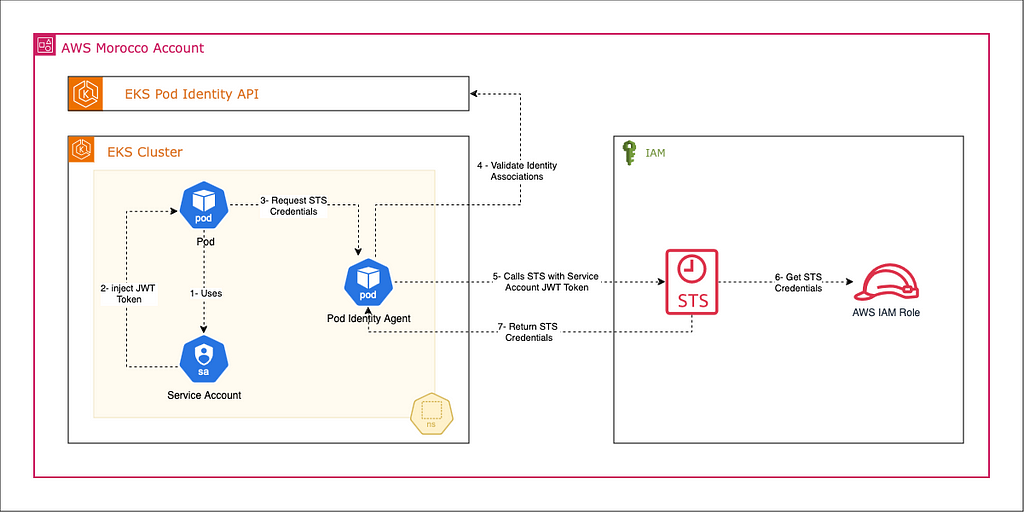
EKS Pod Identity or IAM Roles for Service Accounts (IRSA) ?

EKS Pod Identity or IAM Roles for Service Accounts (IRSA) ?

Himu](https://unsplash.com/@isfakulhemal?utm_source=medium&utm_medium=referral) on Unsplash

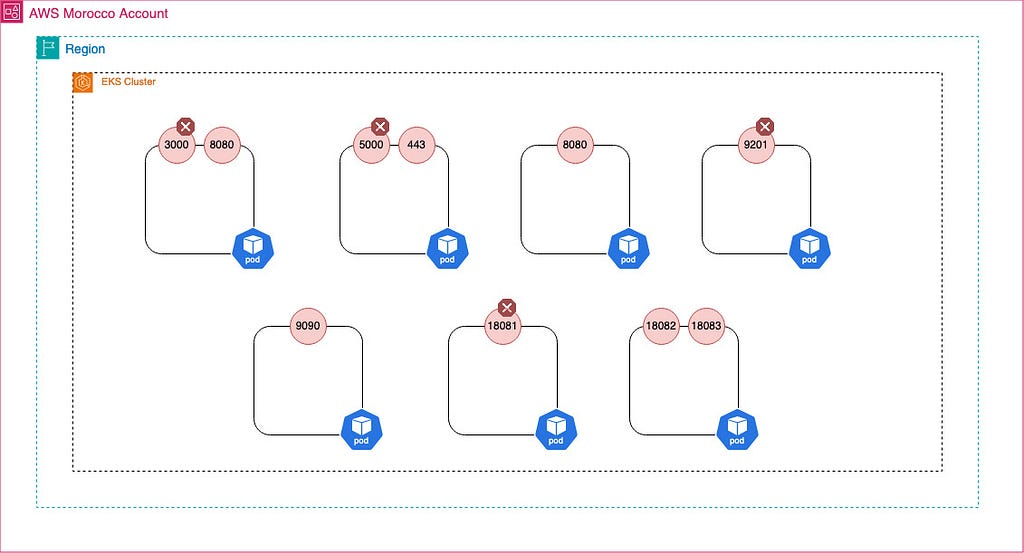
Exposing Ports in Kubernetes: What You Should to Know

Exposing Ports in Kubernetes: What You Should to Know

Kubernetes is a popular tool for managing containerized applications. However, there are a few misunderstandings about how it works. One of the most common

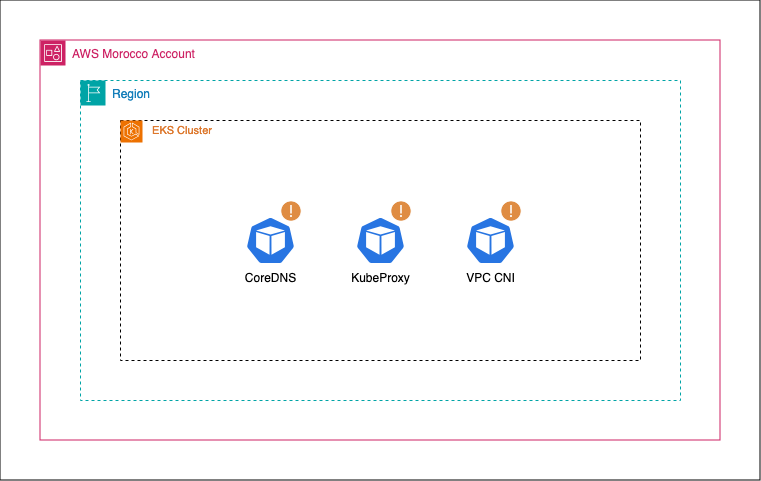
AWS EKS Required Add-Ons: A Comprehensive Guide

AWS EKS Required Add-Ons: A Comprehensive Guide

Amazon Elastic Kubernetes Service (EKS) is a managed Kubernetes service that simplifies the process of deploying, managing, and scaling containerized applications. To ensure optimal functionality a…

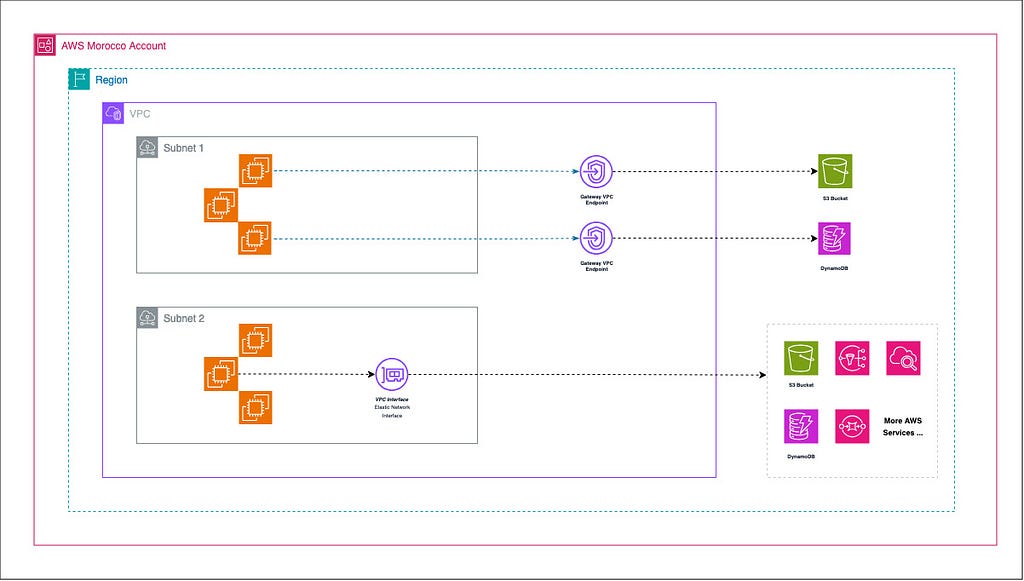
AWS VPC Endpoints: Balancing Security, Performance, and Cost

AWS VPC Endpoints: Balancing Security, Performance, and Cost

In the world of AWS networking, securing and optimizing communication between your VPC resources and AWS services is crucial. This is where AWS VPC Endpoints come into play — a feature that allows …

AWS IAM Roles For Kubernetes Service Accounts (IRSA)

AWS IAM Roles For Kubernetes Service Accounts (IRSA)

In the world of Kubernetes and AWS, managing access to AWS resources from your Kubernetes cluster can be tricky. That’s where AWS IAM Roles for Service